

Psychedelic_Alchemist
Paranormal Maven
Turn On, Tune In, Get Better: Psychedelic Drugs Hold Medical Promise
Psychedelic drugs are poised to be the next major breakthrough in mental health care
Aug 14, 2014 |By Roni Jacobson

Credit: NICOLAS NEUBAUER Alamy
Almost immediately after Albert Hofmann discovered the hallucinogenic properties of LSD in the 1940s, research on psychedelic drugs took off. These consciousness-altering drugs showed promise for treating anxiety, depression, post-traumatic stress disorder (PTSD), obsessive-compulsive disorder (OCD) and addiction, but increasing government conservatism caused a research blackout that lasted decades. Lately, however, there has been a resurgence of interest in psychedelics as possible therapeutic agents. This past spring Swiss researchers published results from the first drug trial involving LSD in more than 40 years.
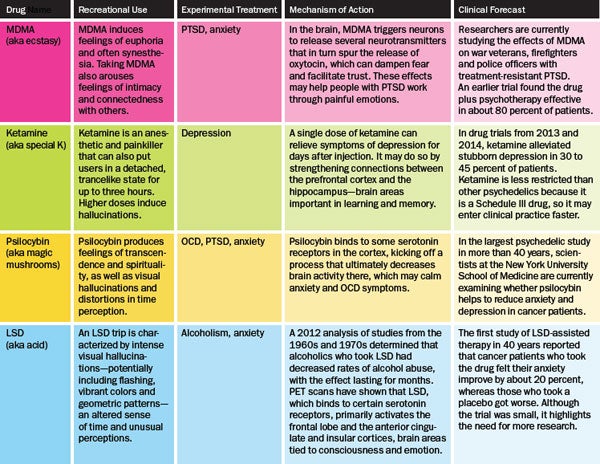
Time for a Psychedelic Spring?
Although the freeze on psychedelic research is thawing, scientists say that restrictive drug policies are continuing to hinder their progress. In the U.S., LSD, psilocybin, MDMA, DMT, peyote, cannabis and ibogaine (a hallucinogen derived from an African shrub) are all classified as Schedule I illegal drugs, which the U.S. Drug Enforcement Administration defines as having a high potential for abuse and no currently accepted medical applications—despite extensive scientific evidence to the contrary. In a joint report released in June, the Drug Policy Alliance and the Multidisciplinary Association for Psychedelic Studies catalogue several ways in which they say that the DEA has unfairly obstructed research on psychedelics, including by overruling an internal recommendation in 1986 that MDMA be placed on a less restrictive schedule.
The DEA and the U.S. Food and Drug Administration maintain that there is insufficient research to justify recategorization. This stance creates a catch-22 by basing the decision on the need for more research while limiting the ability of scientists to conduct that research. The June report recommends transferring responsibility for drug scheduling from the DEA to another agency or nongovernmental organization without a history of antidrug bias, such as the U.S. National Academy of Sciences. No matter how it happens, until the drugs are reclassified, bringing psychedelics from research into clinical practice will be an uphill battle.
Psychedelic drugs are poised to be the next major breakthrough in mental health care
Aug 14, 2014 |By Roni Jacobson
Credit: NICOLAS NEUBAUER Alamy
Almost immediately after Albert Hofmann discovered the hallucinogenic properties of LSD in the 1940s, research on psychedelic drugs took off. These consciousness-altering drugs showed promise for treating anxiety, depression, post-traumatic stress disorder (PTSD), obsessive-compulsive disorder (OCD) and addiction, but increasing government conservatism caused a research blackout that lasted decades. Lately, however, there has been a resurgence of interest in psychedelics as possible therapeutic agents. This past spring Swiss researchers published results from the first drug trial involving LSD in more than 40 years.
Time for a Psychedelic Spring?
Although the freeze on psychedelic research is thawing, scientists say that restrictive drug policies are continuing to hinder their progress. In the U.S., LSD, psilocybin, MDMA, DMT, peyote, cannabis and ibogaine (a hallucinogen derived from an African shrub) are all classified as Schedule I illegal drugs, which the U.S. Drug Enforcement Administration defines as having a high potential for abuse and no currently accepted medical applications—despite extensive scientific evidence to the contrary. In a joint report released in June, the Drug Policy Alliance and the Multidisciplinary Association for Psychedelic Studies catalogue several ways in which they say that the DEA has unfairly obstructed research on psychedelics, including by overruling an internal recommendation in 1986 that MDMA be placed on a less restrictive schedule.
The DEA and the U.S. Food and Drug Administration maintain that there is insufficient research to justify recategorization. This stance creates a catch-22 by basing the decision on the need for more research while limiting the ability of scientists to conduct that research. The June report recommends transferring responsibility for drug scheduling from the DEA to another agency or nongovernmental organization without a history of antidrug bias, such as the U.S. National Academy of Sciences. No matter how it happens, until the drugs are reclassified, bringing psychedelics from research into clinical practice will be an uphill battle.


 ) because I couldn't turn my brain off at night just before I lay down as i was mulling over issues such as this. I conquered this "affliction" after a bit, but it looks like I may have to start popping Rescue Sleep once more.



 :
:
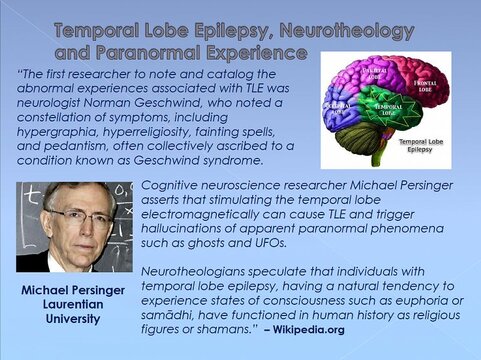
 and support ufology on a point or two and challenge the contention that the machine elves come from an independent and substantial reality, like the grey aliens that some, but not all, experienccers of DMT report as written about in The Spirit Molecule. I started researching this notion of people experiencing the greys while on DMT along with the experience that people have on hallucinogens and why it is that the experience that they carry with them from their trip is as real as any reality they've previously experienced.
 ! And as per the article above (it has a good part 1 too) some people's absorption ability just make them more likely to trip right into the land of unknown & profound presences.